

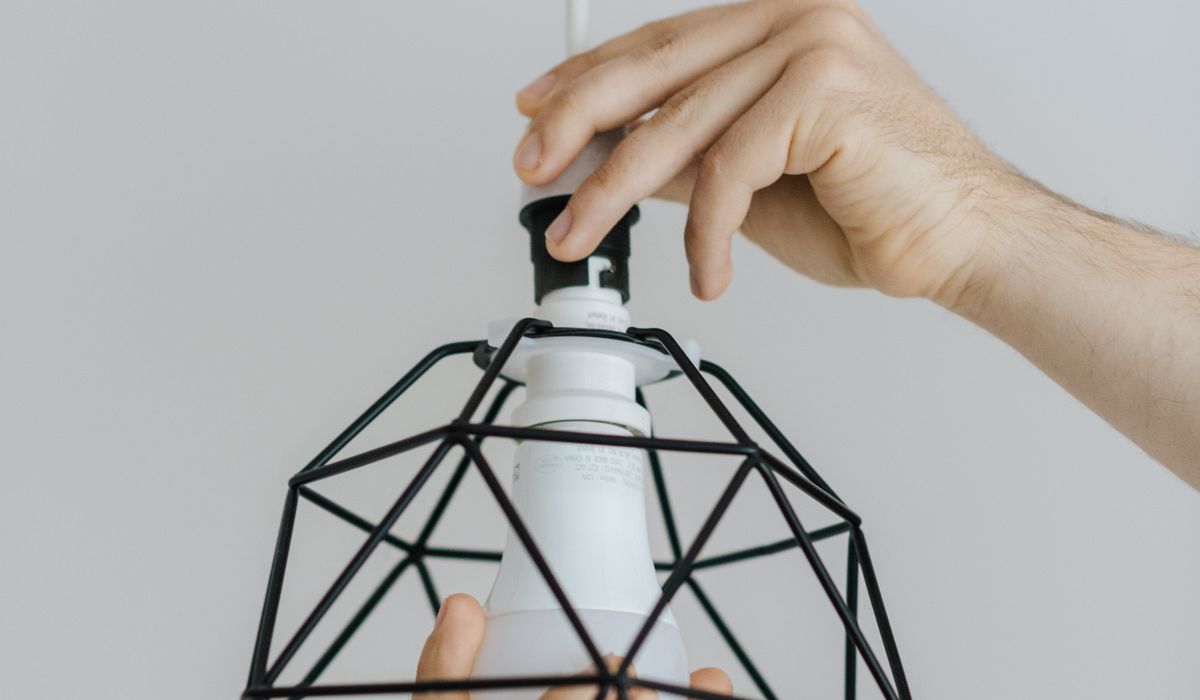
Why Outdoor Lighting Is a Security Essential
When the clocks go back and evenings draw in, the outside of your home or business becomes a different place. A well-lit entrance says "someone is home" or "this property is cared for". A dark, cluttered pathway says the opposite. Good outdoor lighting is not about flooding the garden with harsh white light; it is about placing the right light in the right place, at the right time. A thoughtful scheme makes it harder for an intruder to approach unseen, easier for you to find your keys, and safer for visitors to reach your door without tripping on a step or uneven paving.
From a security point of view, light works in two ways. It removes the shadows and hiding spots that intruders rely on, and it draws attention to anyone who should not be there. A motion sensor that clicks on as someone crosses the drive is a powerful signal, especially when paired with a light that stays on long enough to make the person feel exposed. For businesses, the same principle applies to loading bays, side gates, car parks and bin stores. The goal is not to create a fortress, but to make the site feel watched and well managed after dark.
Motion Sensors Versus Dusk-to-Dawn Fittings
Two main approaches dominate domestic and commercial outdoor lighting: motion-activated fittings and dusk-to-dawn lights. Each has its place, and many properties benefit from a combination of both.
Motion sensor lights use a passive infrared (PIR) detector to sense movement. They are ideal for entrances, driveways, side passages and rear doors because they react only when someone approaches. Look for a detection range of around 8 to 12 metres and a detection angle of 110 to 180 degrees, depending on the area you need to cover. Adjustable lux settings let you choose how dark it must be before the sensor operates, whilst a timer control sets how long the light stays on, typically from a few seconds to several minutes. Some models include a manual override, which is useful when you want the light on continuously for an evening.
Dusk-to-dawn fittings use a photocell to switch on at sunset and off at sunrise. They provide consistent, low-level illumination along pathways, around boundaries and in communal areas. They are excellent for safety and orientation, but on their own they do not react to movement. For a balanced scheme, use dusk-to-dawn lights to define routes and motion sensors to highlight specific points of entry.
- Motion sensors: best for driveways, gates, back doors, alleyways and bin stores.
- Dusk-to-dawn: best for footpaths, steps, signage, entrances and shared access routes.
- Combined fittings: many modern lights include both a PIR sensor and a photocell, giving flexibility without extra wiring.
Positioning Lights for Deterrence and Safety
Placement matters more than brightness. A single 500-watt floodlight aimed across a garden can create glare, annoy neighbours and leave deep shadows behind shrubs. Several lower-output fittings positioned with care will always outperform one overwhelming lamp.
Start with the routes people actually use. Light the approach to the front door, the step itself, the driveway and any changes in level. For security, aim lights at vulnerable points: side gates, rear doors, ground-floor windows, sheds and garages. Mount motion sensors at around 2 to 2.5 metres high, angled slightly downwards, so they detect movement across the field of view rather than towards the sensor. Avoid pointing sensors at trees, bushes or busy pavements, where wind and passing traffic can trigger nuisance activations.
For commercial premises, consider the movement of staff and visitors after hours. Car parks, service yards, fire exits and pedestrian walkways should be lit consistently. A mixture of dusk-to-dawn bollards or wall lights for general wayfinding, plus PIR floodlights over doors and shutters, gives both safety and security. Keep light spill away from neighbouring properties and roads where it could dazzle drivers.
Practical Choices: IP Ratings, Wiring and Control
Outdoor electrical equipment must be suitable for the environment. In the UK, that means paying close attention to IP (Ingress Protection) ratings. As a rule, fittings exposed to rain and hose-down should be at least IP65. Lights under a porch or canopy may be IP44, but higher is safer. Cable joints must be enclosed in proper IP-rated junction boxes, not left exposed or wrapped in tape.
Wiring needs equal care. Outdoor circuits should be protected by a suitable RCD (residual current device) and installed with cable designed for the job, such as SWA (steel wire armour) where mechanical protection is needed. Buried cable should be at the correct depth and marked, whilst connections into the house or outbuilding must be properly glanded and sealed. For commercial sites, emergency lighting, timers, contactors and photocells may all form part of the control system.
Modern controls can improve both security and energy use. Smart switches and timers let you vary lighting patterns so your property does not look empty or predictable. LED fittings use a fraction of the electricity of halogen, last far longer, and can be selected in warm white for a welcoming look or cool white for clearer CCTV images. Dimming and zone control allow you to keep essential paths lit whilst reducing output elsewhere.
Energy, Neighbours and Maintenance
Good lighting is considerate lighting. Choose LEDs with a warm colour temperature (around 3000K) for homes and neutral white (around 4000K) for commercial areas. Shield fittings so light lands on the ground and walls rather than into bedroom windows. Use timers and sensors to avoid running lights all day, and check that your setup complies with any local planning conditions or lease agreements.
Maintenance is straightforward when the installation is right. Clean sensor lenses a couple of times a year, trim vegetation away from PIR fields, and replace failed lamps promptly. A quick visual check in autumn, before the dark evenings arrive, will catch water ingress, loose brackets or tired connections before they become faults. If a light flickers, trips the RCD or stops responding to the sensor, switch off the circuit and ask a qualified electrician to investigate.
When to Bring In a Qualified Electrician
Some outdoor lighting jobs are simple swaps, but new circuits, buried cable, sensor wiring and commercial installations are not DIY territory. In the UK, notifiable electrical work must meet Building Regulations, and a qualified electrician will test the circuit, confirm RCD protection and issue the relevant certification. They can also advise on the right IP ratings, cable sizes and control gear for your property.
Whether you are lighting a terraced house in town or a business park with multiple entrances, the principle is the same: light the routes, light the risks, and keep it controlled. Well-placed motion sensors and dusk-to-dawn fittings deter intruders, reduce the chance of falls after dark, and make your property feel cared for. If you would like help designing a scheme that is safe, efficient and suited to your site, a local electrical professional can survey the space and recommend fittings that will work for years to come.




John Doe
14 January, 2022Having no content in post should have adverse..
Chauffina Carr
10 April, 2022We use these tests all time! Killer stuff!
Jim Séchen
16 July, 2022Thanks for all the comments, everyone!