

Why a Constantly Warm Cylinder Wastes Money
A hot water cylinder that is kept at temperature around the clock loses heat continuously through its walls, and every bit of that heat has to be paid for twice — once when it is generated and again when the immersion heater or boiler fires up to replace it. On a poorly insulated older cylinder the standing loss can be surprisingly large, and in a home with a 3kW immersion heater running on a standard tariff, that idle reheating can account for a hefty slice of the annual electricity bill.
The simplest way to cut that waste is to stop heating water when nobody needs it. Timer switches do exactly that: they let you dictate the hours during which the immersion heater, boiler or circulation pump is allowed to run, so the cylinder only reaches temperature in the periods before you actually use hot water.
How Timers and Cylinder Thermostats Work Together
It helps to think of the two controls as doing different jobs. The timer decides when power can reach the heating element. The cylinder thermostat decides how hot the water gets before the element switches off. Used together, they give you a cylinder that is hot at the right times and simply not heated at the wrong ones.
- A mechanical timer works on a 24-hour dial with push-in pins, and is cheap, robust and easy to read.
- A digital timer gives you multiple on/off periods per day, weekday and weekend settings, and often a boost button.
- A smart timer or Wi-Fi controller allows scheduling from a phone, adjusts for holidays, and can be paired with hot water demand patterns.
- A cylinder thermostat, usually strapped to the side of the tank or fitted as a pocket stat, should be set to around 60°C for stored hot water.
Typical domestic settings might be one hour in the early morning and one hour in the late afternoon or early evening, with a boost for unexpected demand. If you are on an Economy 7 or similar off-peak tariff, set the main heating period overnight so the immersion runs on cheaper units.
Choosing the Right Timer for a Domestic Cylinder
Immersion heaters draw a heavy current — a 3kW element pulls roughly 13 amps — so the timer must be rated for the load. Many cheap plug-in timers are not, and using one is a genuine fire risk. A proper immersion timer is wired into a fused spur and rated at 16 amps or more, with a double-pole switch so the circuit can be fully isolated for maintenance.
Where two elements are fitted, typically a long lower element for bulk heating and a short upper one for a quick boost, you can run separate timers or a single controller with two channels. That arrangement gives you a fast top-up of a small volume of water without heating the whole cylinder.
Insulation matters just as much as scheduling. A well-fitted cylinder jacket of at least 80mm, plus lagging on the pipes and the first metre of hot draw-off, keeps the water hot between heating periods and means shorter recovery times when the timer next switches on.
Commercial Systems: Larger Tanks, Larger Savings
In commercial premises the numbers get serious. A hotel, care home, restaurant or sports centre may store several hundred litres at a time, often in multiple cylinders or a calorifier served by a gas or oil boiler. Left on continuous, those systems reheat around the clock to cover a demand that may only peak at breakfast and early evening.
- Zoned scheduling lets you heat to full temperature before known peak periods and drop to a lower setpoint or off entirely overnight.
- Circulation pumps on secondary return loops should be timed to match occupancy hours rather than running permanently, which reduces both pump energy and pipework losses.
- Three-phase immersion heaters and larger contactors need timers and controls rated accordingly, with correct isolation and fault protection.
- Building management systems can integrate water heating with occupancy, kitchen hours and maintenance schedules for a coordinated approach.
For any commercial system, the stored water temperature still has to meet the requirements of the Approved Code of Practice on Legionella control. That means the cylinder should reach at least 60°C, with distribution temperatures maintained so that outlets reach 50°C within a minute — and any timer regime has to be designed around that, not in conflict with it.
Getting the Settings Right
Set the thermostat, not the timer, to control temperature. Pushing the thermostat above 60°C wastes energy and increases scaling and scald risk; dropping it below 60°C in a stored system encourages bacterial growth. If you need cooler water at the tap, blend it at the outlet with a thermostatic mixing valve rather than lowering the cylinder setpoint.
Record your settings once they are settled, and check them after any power cut or timer battery change. During holidays, use the timer's off or frost-setting rather than switching the circuit off at the spur, so you do not lose track of the program.
When to Bring in an Electrician
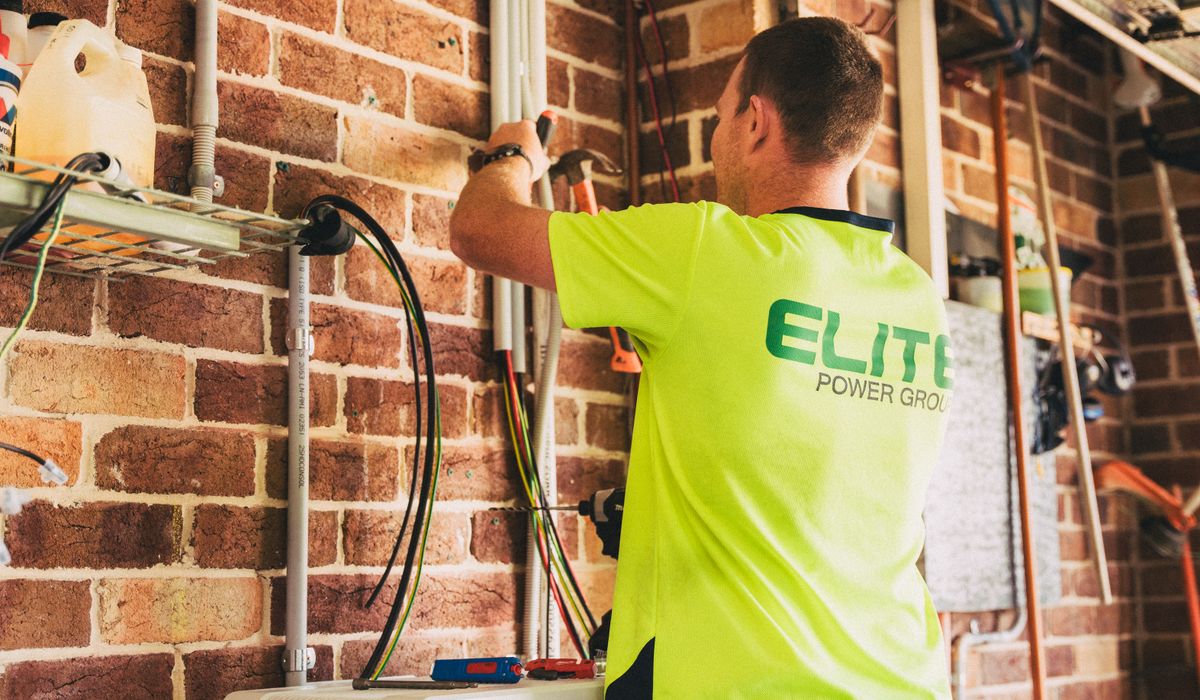
Replacing a timer, adding a second channel, or fitting a smart controller to a commercial calorifier involves work inside a consumer unit or distribution board and on circuits that stay live at the terminals even when the immersion switch is off. An experienced electrician will confirm the existing wiring is safe, check the earthing and bonding, size the protective device correctly, and test the circuit after any alteration.
If your cylinder is heating all day, your timer is old and stiff, or your bills have crept up without any obvious change in habits, it is worth having the controls looked at. A correctly scheduled, properly insulated cylinder is one of the quietest ways to cut running costs — and it will keep paying you back every week of the year.





John Doe
14 January, 2022Having no content in post should have adverse..
Chauffina Carr
10 April, 2022We use these tests all time! Killer stuff!
Jim Séchen
16 July, 2022Thanks for all the comments, everyone!