

What a Partial Rewire Actually Means
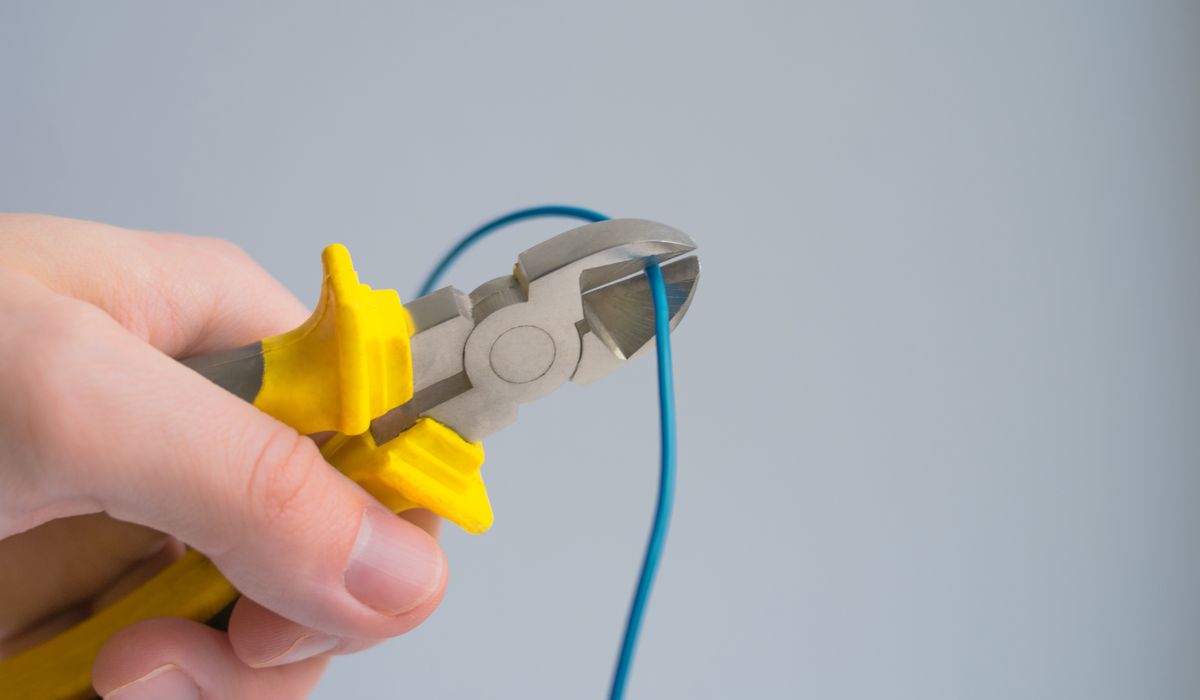
A partial rewire isn't a half-finished job or a shortcut. It's a targeted upgrade of the circuits that are failing, outdated or overloaded, while leaving healthy wiring in place. In many UK homes and commercial premises, the fixed wiring has been added to over decades. Original rubber-insulated cables might sit alongside newer PVC ones, and the consumer unit may be struggling to cope. A partial rewire lets you modernise the riskiest sections – often the kitchen, utility room, or lighting circuits – without the cost and disruption of stripping out every wall. For businesses, it can mean keeping trading while specific areas are brought up to standard. The key is knowing which signs point to selective circuit upgrades rather than a full rewire.
Frequent Tripping or Blowing Fuses
An occasional trip when a bulb blows is normal. But if your RCD or MCB trips regularly – especially when you use the kettle, washing machine or tumble dryer – that's a red flag. Frequent tripping usually means one of three things: an overloaded circuit, an earth leakage fault, or deteriorating cable insulation. In older properties, rubber and lead-sheathed cables become brittle and can allow current to leak to earth, causing nuisance tripping that gets worse over time. You might also notice the RCD tripping only in damp weather, which points to moisture getting into ageing accessories or cables. A partial rewire can replace the affected circuit, install a dedicated supply for high-power appliances, and split loads more sensibly across the consumer unit.
Outdated Cables, Sockets and Fuse Boxes
Take a look at your fuse box, sockets and light switches. If you see any of the following, the wiring may be well past its safe working life:
- Rubber-insulated cables – often black, brittle, and crumbling if you touch them. Common in homes wired before the 1960s.
- Lead-sheathed or fabric-covered cables – these were never designed for modern electrical loads.
- No earth wire in lighting circuits – a serious safety issue for metal light fittings and class I appliances.
- Old round-pin sockets – they can't safely accept modern square-pin plugs without adaptors, which overheat.
- A fuse box with rewireable fuses or a wooden backboard – no RCD protection means a higher risk of electric shock.
If your property still has any of these, a partial rewire of the affected circuits is often the most practical first step. It brings those areas up to current BS 7671 standards without touching the rest of the installation.
Too Few Sockets and a Maze of Extension Leads
Modern life demands far more socket outlets than homes and offices were originally designed for. If you're relying on multi-way adaptors, daisy-chained extension leads or trailing cables across walkways, the installation is telling you something. Overloaded sockets are a leading cause of electrical fires, particularly when high-power appliances share a single circuit. In commercial settings, insufficient sockets can lead to unsafe temporary power arrangements that fail health and safety checks. Signs that you need additional circuits include:
- Plugs falling out of loose sockets or feeling warm to the touch.
- Extension leads that run under carpets or through doorways.
- Frequent use of adaptors to plug multiple appliances into one outlet.
- Lighting that dims when a large appliance starts up.
A partial rewire can add new socket circuits, dedicated supplies for equipment, and extra outlets exactly where you need them. It's a straightforward upgrade that makes daily life safer and more convenient.
Visible Damage, Heat or Burning Smells
Some warnings are impossible to ignore – and you shouldn't. Scorch marks around sockets or switches, a burning smell near the consumer unit, or faceplates that feel hot to the touch all point to overheating connections or failing insulation. You might also hear buzzing or crackling from accessories, or notice lights flickering when appliances cycle on and off. These are not quirks to live with. They are signs that a circuit is deteriorating and could fail completely. In commercial premises, such issues can also invalidate insurance or trigger enforcement action. A partial rewire of the affected circuit – along with testing of the whole installation – is the responsible response.
What Happens During a Partial Rewire
Before any work begins, a competent electrician should carry out an Electrical Installation Condition Report (EICR). This identifies which circuits are unsafe, outdated or overloaded, and helps you prioritise. A partial rewire might involve replacing the consumer unit, running new cables to a kitchen or office ring main, upgrading earthing, or installing RCD protection on selected circuits. Disruption is usually manageable: floors may need lifting in targeted areas, but you won't be moving out. Once complete, you'll receive certification to show the work complies with BS 7671 and Part P of the Building Regulations. If you've spotted any of the signs above, it's worth booking a professional assessment soon. Addressing a failing circuit early is almost always cheaper – and safer – than waiting for a full failure.





John Doe
14 January, 2022Having no content in post should have adverse..
Chauffina Carr
10 April, 2022We use these tests all time! Killer stuff!
Jim Séchen
16 July, 2022Thanks for all the comments, everyone!