

Why Retail Electrical Maintenance Deserves a Proper Plan
Retail spaces are unusual buildings. They combine heavy footfall, constant display lighting, refrigeration, tills, security systems, and a public that expects everything to work the moment they walk through the door. Behind the scenes, all of that depends on a safe, reliable electrical installation — and installations do not look after themselves.
A shop that puts off its electrical checks tends to discover the problem at the worst possible moment. A till circuit trips on a busy Saturday, an emergency light fails during a fire drill, or a flickering display unit turns into a full shutdown. Planned maintenance is how you take control of those risks rather than reacting to them.
Start with a Realistic Maintenance Schedule
The right schedule depends on the size of the premises, the age of the wiring, and how the space is used. A small independent unit with a handful of circuits needs less than a large retail park unit running three-phase equipment. As a working starting point, most retail premises benefit from a yearly inspection, with additional checks on high-use items such as sockets, display lighting and emergency circuits.
Use the following to shape your plan:
- Annual electrical installation condition report — covers the fixed wiring, distribution boards and earthing.
- Monthly emergency lighting tests — a short functional test, with a longer duration test once a year.
- Quarterly visual checks — staff walk-arounds looking for damaged sockets, scorched plugs and flickering fittings.
- Portable appliance testing — based on risk, not a blanket rule; till-side equipment and staff appliances tend to need it most often.
- Five-yearly fixed wire testing — a common interval for many commercial premises, though your electrician may recommend shorter if conditions warrant.
Write the schedule down and pin it somewhere the duty manager can see. A plan that lives in a drawer is not a plan.
Sockets, Tills and the Hidden Load
Retail sockets take a beating. Staff unplug and replug vacuums, price guns, phone chargers and seasonal displays dozens of times a week. Over time, the contacts inside a socket wear, heat builds, and the plastic around the pins starts to discolour. That discolouration is a warning, not a cosmetic issue.
During each maintenance visit, ask your electrician to check socket outlets for heat damage, loose fixing screws and signs of overloading. Extension leads are a particular culprit — a single socket feeding a till, a card reader, a label printer and a phone charger is asking for trouble. Where you genuinely need more capacity, fit additional circuits rather than daisy-chaining leads.
It is also worth reviewing the load you have added since the last inspection. New heated display cabinets, coffee machines or Christmas lighting all draw current. If nobody updated the distribution board to reflect those additions, a breaker is doing more work than it was designed for.
Lighting, Display and Emergency Circuits
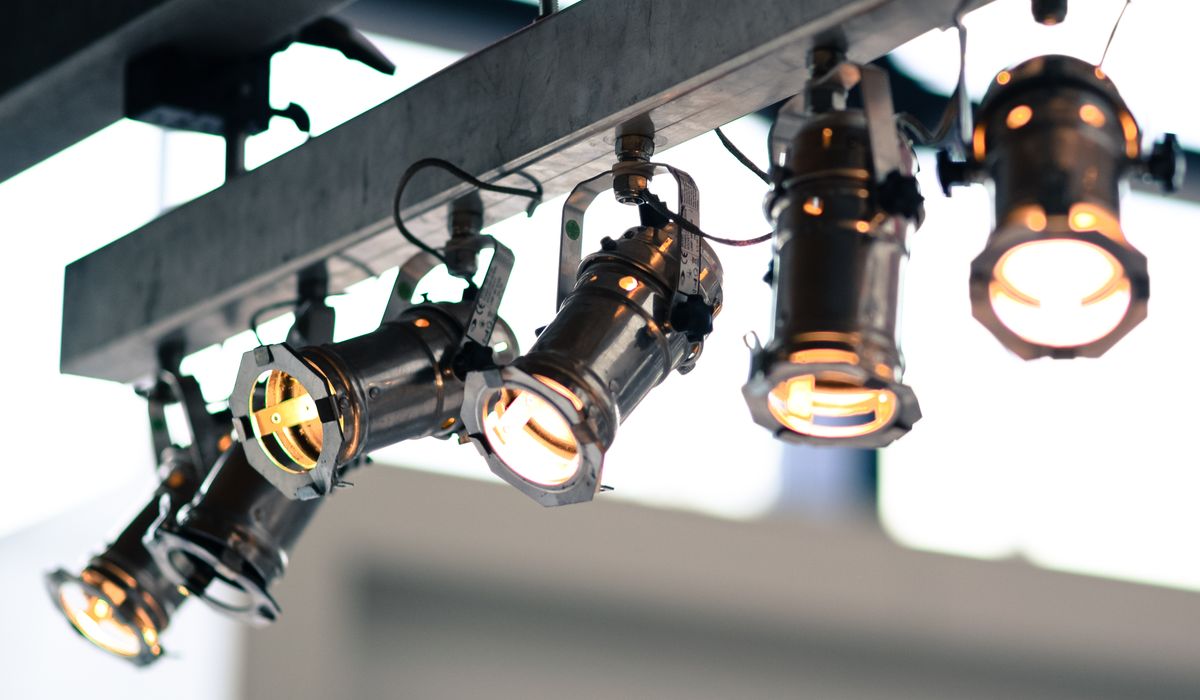
Lighting is the most visible part of your electrical system, and often the first to show problems. Track lighting in particular accumulates dust and heat, and loose lampholders cause flickering that customers notice immediately. A planned check of display lighting keeps the shop looking sharp and reduces the chance of a fitting failing mid-trade.
Emergency lighting is a different matter — it is a legal and safety requirement, not a presentation choice. In a retail environment, emergency lights need to work when the mains fail, and staff need to know where they are and what they cover. Testing should confirm that:
- Every emergency fitting illuminates when the supply is interrupted.
- Batteries hold their charge for the required duration.
- Escape routes, till areas and stockrooms are properly covered.
- Any failed unit is replaced or repaired before the next trading day.
Keep a simple log of tests and results. If an incident ever occurs, that record shows you took your responsibilities seriously.
Commercial Kitchens and Back-of-House Areas
Many retail spaces include a back-of-house kitchen, a staff room or a small preparation area. These zones have their own risks: steam, grease, frequent cleaning and equipment that is switched on and off constantly. Commercial kitchen circuits should be inspected separately, and any equipment near water must be protected by the correct residual current device.
Refrigeration deserves a mention too. A failed circuit overnight can mean stock loss running into hundreds or thousands of pounds. Ask your electrician to check dedicated fridge and freezer circuits during each visit, and consider a simple power-failure alarm so staff are alerted before the temperature climbs.
Choosing the Right Electrical Partner
Look for a contractor who will survey the premises, produce a written schedule and explain what each test covers. A good electrician will walk the shop floor with you, point out anything that looks tired, and prioritise the work that genuinely reduces risk. They will also tell you what you can safely handle in-house and what needs a qualified professional.
When you book your first visit, ask for a report that includes a clear list of remedial actions with priorities. That document becomes the backbone of your maintenance plan, and it makes budgeting far easier than waiting for something to break.
Retail is unforgiving of downtime, but it is also predictable. If you plan your checks around quieter trading periods, keep the paperwork tidy and act on the small issues before they grow, your shop can keep its doors open — and keep staff and customers safe while it does.





John Doe
14 January, 2022Having no content in post should have adverse..
Chauffina Carr
10 April, 2022We use these tests all time! Killer stuff!
Jim Séchen
16 July, 2022Thanks for all the comments, everyone!