

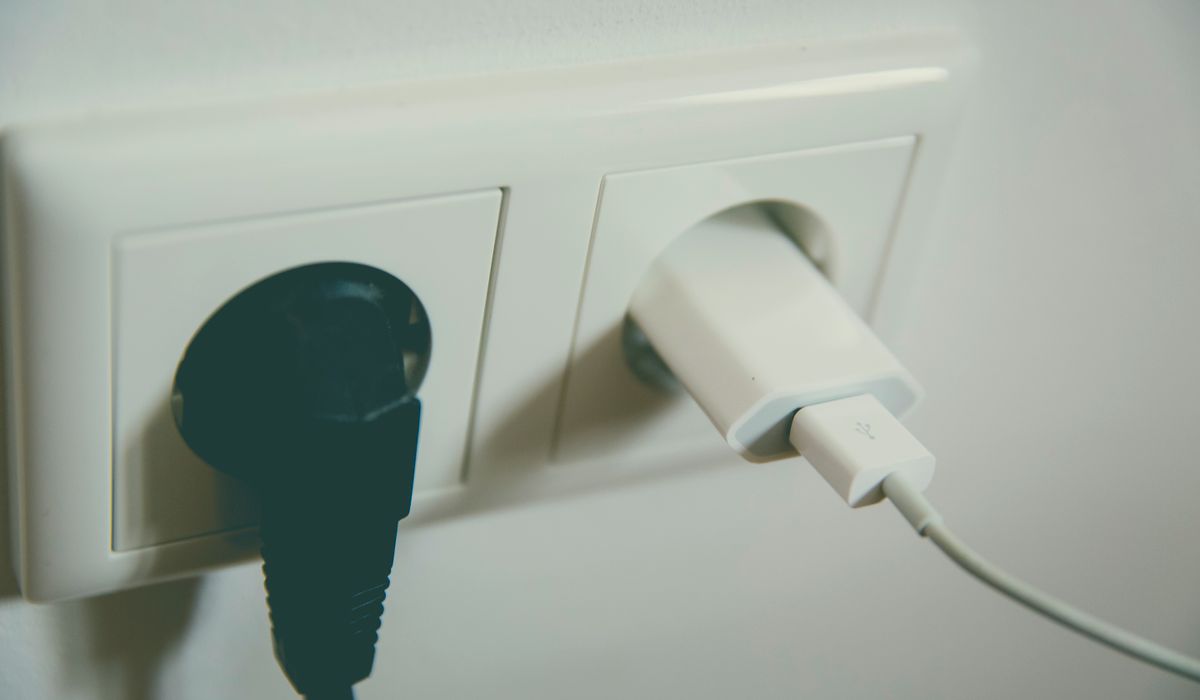
Positioning an outdoor EV charge point is one of those jobs where a little thought before drilling saves a lot of frustration later. Get it right and every charge is a simple plug-in; get it wrong and you’re wrestling with a cable that won’t reach, or stepping over a trip hazard. Whether you’re wiring a private driveway or a commercial car park, the same principles apply: cable reach, weather protection, safe pedestrian access and everyday convenience.
Start With the Cable, Not the Wall
Before you decide on a spot, measure. Most tethered charge points come with a 5-metre cable, though 7.5-metre and 10-metre options are available. That sounds generous until you account for the route to your car’s charging port. Charge ports sit in different places: front grille, rear quarter panel, or nearside front wing. If you always reverse onto the driveway, a rear-port car may need a longer cable than a front-port one.
Park where you normally would, then measure from the likely wall position to the port. Add a little slack – cables shouldn’t be pulled tight, especially in cold weather when they stiffen. If the cable would cross a public footpath, that’s a non-starter. Avoid extension leads; they’re not designed for continuous load and can be dangerous.
- Measure twice: check the distance with the car in its usual parking position.
- Consider tethered vs untethered: a tethered unit is convenient but the cable is fixed; an untethered socket lets you use a longer cable.
- Allow for manoeuvring: if you sometimes park nose-in, sometimes reverse-in, a central position may work best.
Shelter the Unit Without Trapping Heat
Outdoor charge points are built to withstand British weather, but placement still matters. Look for an IP rating – IP54 is the minimum for outdoor use, IP65 offers better dust and water protection. Avoid spots where water pools or where a gutter pours directly onto the unit. Direct, all-day sun can cause the unit to derate in extreme heat, so a shaded wall or a north-facing aspect can help.
At the same time, don’t box the unit in. Charging generates heat, and the unit needs airflow. A tight sealed cabinet or a thick insulating cover is a bad idea. If you’re mounting on a wall, leave at least 200mm clearance on all sides. Coastal properties should choose a marine-grade enclosure or stainless steel fixings to resist salt air.
Keep Walkways Clear and Safe
Safety is non-negotiable. The cable should never trail across a pedestrian route where someone could trip. If the charge point is on the house wall and the car sits on the driveway, the cable may cross a path used by delivery drivers, children or visitors. Consider a cable ramp or a retractable cable management system. Better still, reposition the unit so the cable runs along the edge of the driveway.
Mount the unit at a comfortable height – around 1.2 to 1.5 metres from the ground is typical. That keeps it out of standing water, easy to reach without bending, and away from curious toddlers. Avoid positioning it directly behind a door swing, next to a bin store, or where it could be struck by a car door. In a public or shared area, add a bollard or protective barrier.
Make Daily Use Effortless
A charge point that’s awkward to use will soon become an annoyance. Think about your routine. Do you arrive home in the dark? A unit near an existing outdoor light is easier to plug in. Do you carry shopping or children? A position near the driver’s door saves walking around the car. If you use a smart charger with app control, check the Wi-Fi signal reaches the spot – a weak signal can mean missed schedules and failed updates.
Also plan for the future. If a second EV is likely, a dual-port unit or a position that allows two cars to reach a single unit could save money later. For commercial premises, think about queueing, bay markings and signage. Accessible bays should follow BS 8300 guidance, with extra space for wheelchair users.
Commercial Sites Need a Different Eye
On a commercial site, placement is about throughput and safety as much as convenience. Fleet vehicles may return at the same time, so spread charge points along a wall rather than clustering them. Keep cables off the ground with cable retractors or holsters. Avoid positions where a charging cable could be driven over or where a vehicle overhang blocks a walkway.
Load management is another consideration. Multiple units may need a load management system to avoid overloading the supply. That may influence where you position the units relative to the consumer unit. A qualified electrician can advise on cable routes, earthing and protection – including RCD protection and, for some installations, a separate isolation switch.
Getting It Right First Time
Before you drill, run through a final checklist. Is the cable long enough? Is the unit protected from weather but ventilated? Is the cable clear of walkways? Can you reach it easily in the rain and dark? Does the position allow for future needs? If you’re unsure, a site survey from an experienced electrician is money well spent. They can check earthing, voltage drop and cable routing from your consumer unit. A well-placed charge point is a quiet asset – you’ll barely notice it, except when you need it.





John Doe
14 January, 2022Having no content in post should have adverse..
Chauffina Carr
10 April, 2022We use these tests all time! Killer stuff!
Jim Séchen
16 July, 2022Thanks for all the comments, everyone!